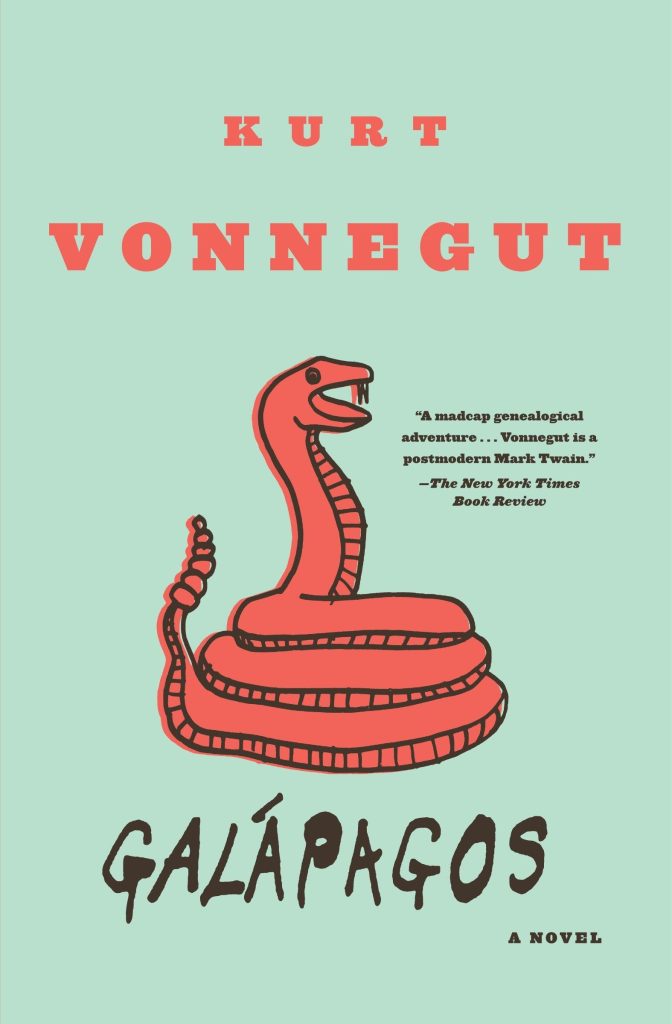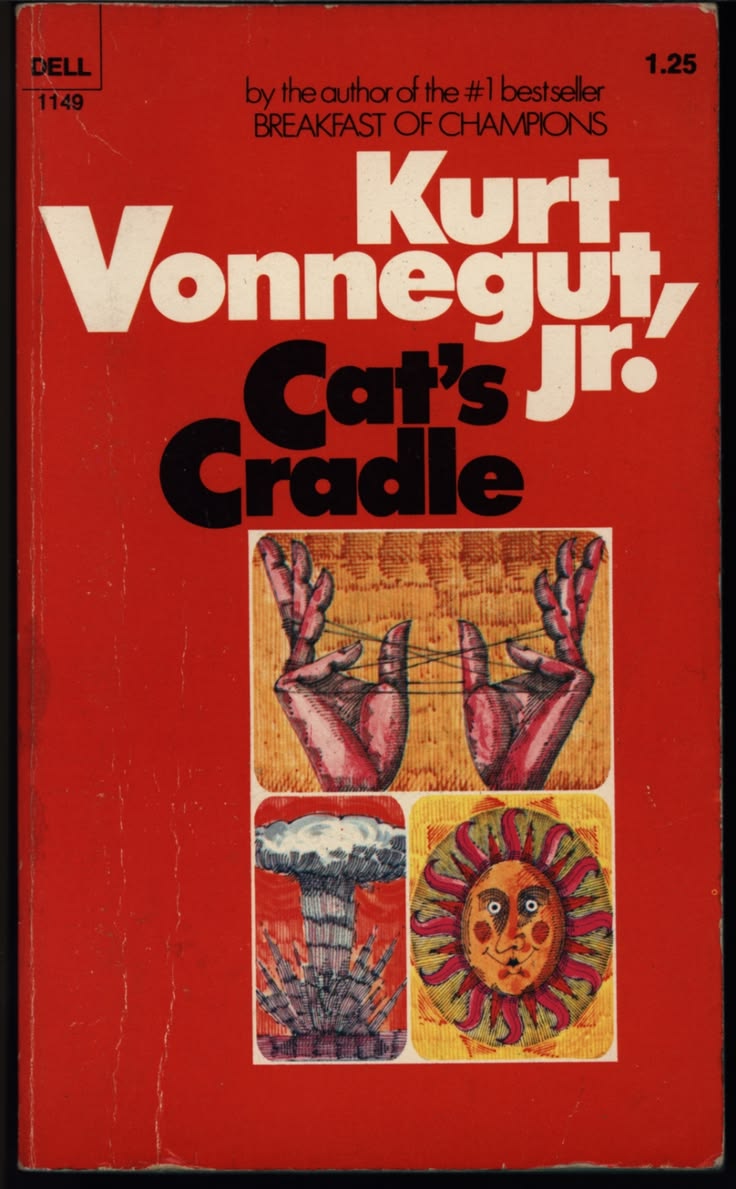
On the fictional island of San Lorenzo, a ceremony is held to commemorate the Hundred Martyrs to Democracy1, a group of young men who set out to fight in WWII but died tragically on their way the war. Newly installed American ambassador Horlick Minton takes the podium:
We are gathered here, friends”, he said, “to honor The Hundred Martyrs to Democracy, children dead, all dead, all murdered in war. It is customary on days ilke this to call such lost children men. I am unable to call them men for this simple reason: that in the same war in which the Hundred Martyrs to Democracy died, my own son died.
“My soul insists that I mourn not a man but a child.
“I do not say that children at war do not die like men, if they have to die. To their everlasting honor and our everlasting shame they do die like men, thus making possible the manly jubilation of patriotic holidays.
“But they are murdered children all the same
“And I propose to you that if we are to pay our sincere respects to the hundred lost children of San Lorenzo, that we might best spend the day despising what killed them; which is to say, the stupidity and viciousness of all mankind.
“Perhaps, when we remember wars, we should take off our clothes and paint ourselves blue and go on all fours all day long and grunt like pigs. That would surely be more appropriate than noble oratory and shows of flags and well-oiled guns.
” I do not mean to be ungrateful for the fine, martial show we are about to see….
“But if today is really a day in honor of a hundred children murdered in war,” he said, “is today a day for a thrilling show?”
“The answer is yes, on one condition: that we, the celebrants, are working consciously and tirelessly to reduce the stupidity and viciousness of ourselves and of all mankind.
There’s an echo of this in Slaughterhouse Five, when the narrator (which is to say Kurt Vonnegut) visits an old war buddy for help writing his book about the war. His friend’s wife is cool to him, until she finally voices her skepticism of his book:
You’ll pretend you were men instead of babies, and you’ll be played by Frank Sinatra and John Wayne or some of those other glamorous, war-loving, dirty old men. And war will look just wonderful, so we’ll have a lot mroe of them. And they’ll be fought by babies like the babies upstairs.
…
So I held up my right hand and I made her a promise: “Mary,” I said, “I don’t think this book of mine is ever going to be finished. I must have written five thousand pages by now, and thrown them all away. If I ever do finish it, though, I give you my word of honor: There won’t be a part for Frank Sinatra or John Wayne.
“I tell you what,” I said, “I’ll call it The Children’s Crusade.”
She was my friend after that.
Perhaps Kurt Vonnegut’s greatest legacy was that he never wrote a book that made joining a war sound like a good idea.
For the Vonnegut afficionados out there: Yes, I ommitted the San Lorenzo dialect pronunciation of the Hunred Martyrs, because it’s a lot to throw at an unsuspecting reader without explanation. Honestly, it’s kind of too much even when you have the explanation, but that’s Vonnegut for you.